A future in preservation
Secure a suitable Class 92 for conservation and display in a covered home. We want to retain its identity and original equipment, with a realistic plan for its long-term care.
Railway heritage · United Kingdom
One locomotive. A whole class of history. We’re working towards a lasting home for a Class 92, and bringing together the records and memories that tell its story.
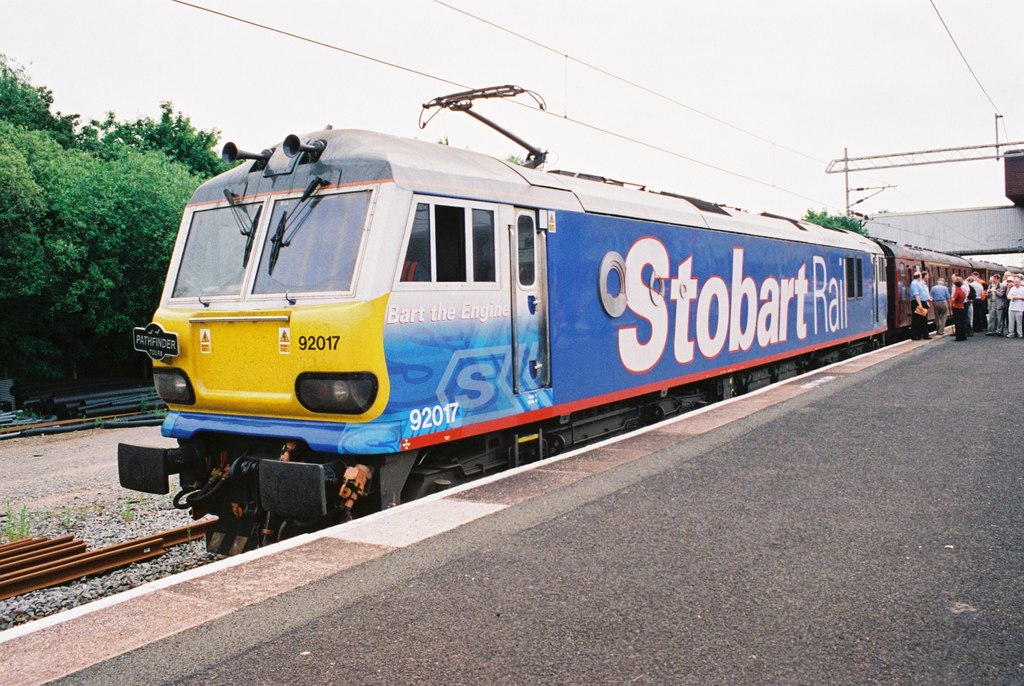
92017 Bart the Engine is our preferred candidate. No locomotive has yet been secured.
Our mission
Our focus is the Class 92: the machines, the engineering and the people behind them. One complete locomotive is our first acquisition goal.
Secure a suitable Class 92 for conservation and display in a covered home. We want to retain its identity and original equipment, with a realistic plan for its long-term care.
Build a record of the whole class through photographs, technical documents, relevant artefacts and first-hand memories. This work can begin before a locomotive is acquired.
Help future visitors understand what the class was built to do and the lives it touched. We welcome conversations with museums, heritage railways and potential education partners.
92017 remains our preference. We are also open to another suitable, representative Class 92.
Meet our preferred candidate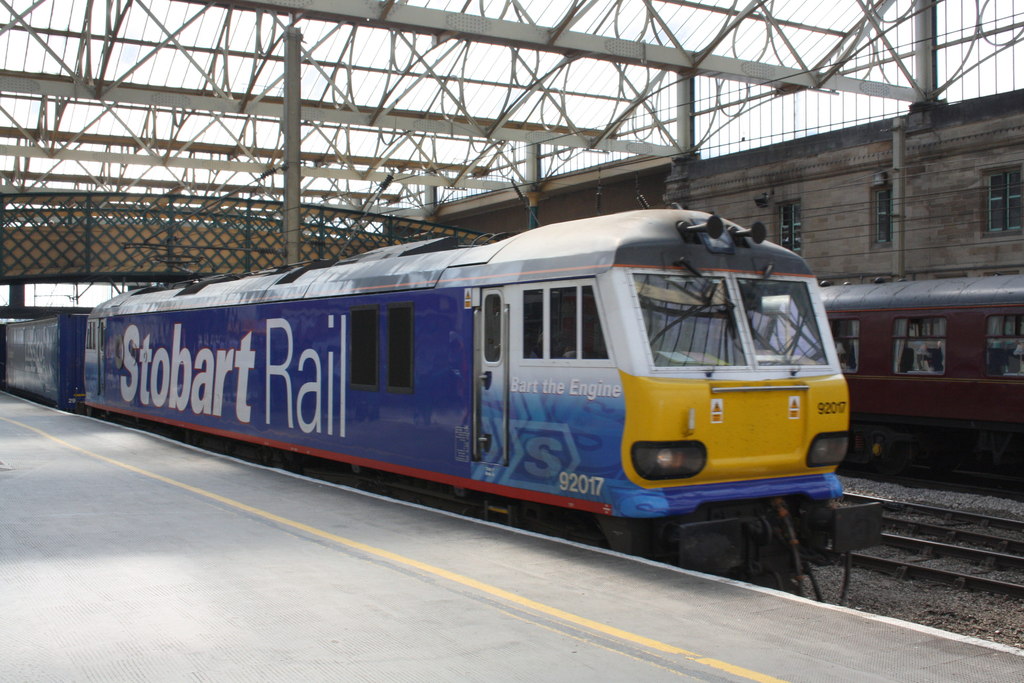
Both photographs show 92017 during its working life. They do not establish its present condition or availability for preservation.
Our preferred candidate
With its distinctive Stobart Rail livery and familiar name, 92017 gives our project a recognisable starting point.
We would like to give it a lasting future where its engineering and working life can be shared with the public. First, we need to establish whether it could be available and whether a sustainable preservation plan can be agreed.
Preferred candidate · acquisition not agreed92017 carried the name Shakespeare, part of the class’s tradition of names drawn from literature, music and the arts.
As Bart the Engine, its Stobart Rail identity made it a distinctive sight on Britain’s railway.
Any acquisition would depend on ownership checks, condition, a suitable home and funding for transport and ongoing care.
Why the class matters
The Class 92 was designed for Channel Tunnel traffic, combining overhead and third-rail power collection in one locomotive. Its story spans international freight, British railway engineering and sleeper passenger services.
Preservation would let people explore this engineering up close, alongside the experiences of those who built, maintained and worked with the class.
Technical background: GB Railfreight’s Class 92 fleet information.
A recognised place in railway heritage. The RHDAB designation register includes “Class 92 locomotives”, reference 2016/01. We are seeking guidance on a possible preservation role. Designation does not mean that a locomotive has been allocated to this society. About railway heritage designation.
The Class 92 archive
Did you help build a Class 92, maintain one, drive one or photograph its working life? We would love to hear from you.
Please contact us before sending original material. We’ll discuss provenance, permissions and how it could be cared for or shared.
A responsible route to preservation
We are in the early stages of building the society. Our priority is a credible arrangement for conservation, public access and long-term care.
Our proposed structure is a Foundation Charitable Incorporated Organisation (CIO), with an independent trustee board. The constitution and governance framework remain in draft; this website does not claim registered charity status.
Develop a capable trustee team and welcome experience in engineering, collections, finance, education and charity governance.
Explore covered accommodation and public access with a museum or heritage railway. Ownership, a suitable loan or a partnership could provide a route forward.
Confirm title, availability, completeness and condition. Plan transport, insurance, conservation and ongoing care before committing.
Establish an affordable, funded plan and written arrangements with a host. Our initial approach is non-powered conservation and display; any hauled heritage movement would require separate technical assessment and approval.
Get involved
You don’t need to own a locomotive or be an engineer to have something useful to offer. We welcome practical help, informed advice and an interest in the class.
Expressions of interest only. We are not accepting donations, payments or pledges at this stage.
A few useful answers
No. 92017 is our preferred candidate, and its availability and suitability need to be established. We would also consider another representative Class 92 with a viable preservation plan.
Our initial project is for an electrically isolated, non-powered locomotive conserved for display and education. Any movement on a heritage railway would be hauled by another locomotive, with the necessary technical checks, permissions and insurance. Powered or mainline running is outside the current plan.
No host or public opening date is being announced. Finding a suitable home and agreeing practical arrangements are essential steps before any acquisition.
We are gathering expressions of interest and practical support, rather than accepting money or pledges. Any future appeal would need an appropriate organisational structure and a clear, costed purpose.